Lab Thread launches free version of Unified Lab Software Platform to accelerate academic research
- Free-to-use software version available for academic and non-profit researchers worldwide
- Intuitive system provides robust data management tools to support scientific collaboration and engagement with funding bodies through streamlined adherence to FAIR data principles

Silverstone, UK, 11 March 2026: Lab Thread Ltd, a UK‐based life science software company, today announced the release of a free of charge version of the Company’s Unified Lab Software Platform, available to academic and non-profit researchers worldwide. The software provides a range of core modules tailored to support early-stage research – offering an intuitive and collaborative system that enables users to quickly and easily implement robust data management plans within their own lab.
Academic users of the Lab Thread platform will be able to access a range of powerful features, including a DNA sequence viewer, an electronic notebook (ELN) system and accompanying templates that remove the need for extensive set-up processes. The platform also offers in-depth project management functionality, allowing teams to view and record methods, data, DNA constructs and experimental analysis digitally, with built in features for collaboration and communication.
The Lab Thread platform, beta launched in December 20251 has been developed as a fully integrated digital solution for biological research. Prioritizing ease-of-use, the platform allows users to build out their own team within the software, removing common barriers to research by facilitating data sharing and real-time collaboration that is easily scalable as experiments grow and evolve. The platform simplifies lab data management, and supports easier adherence to funding guidelines, including the FAIR data principles that are increasingly required in applications to major funding bodies in the UK and internationally.
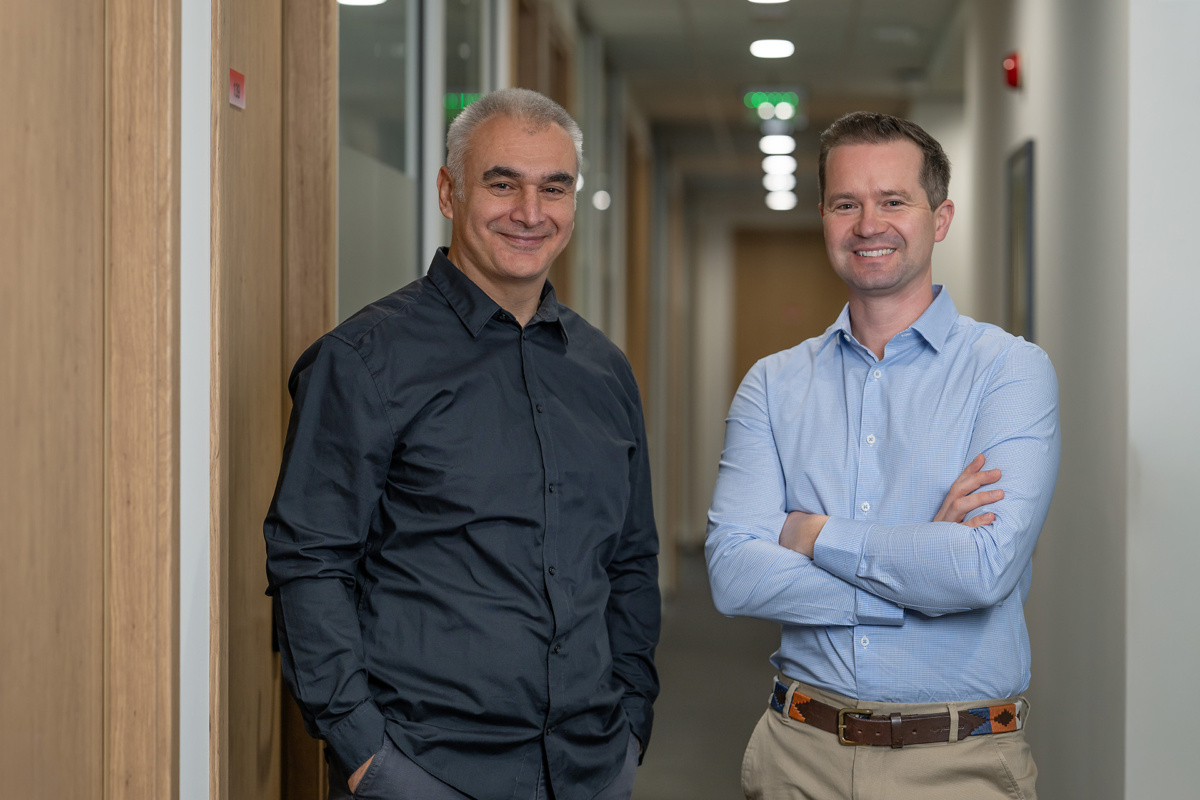
Dr Ryan Cawood, Co-founder and CEO, Lab Thread, said: “Since launching the Lab Thread platform in Beta last year, we’ve been delighted with the feedback from our early adopters, which has allowed us to continue to shape the software around the things that are most important to biological researchers. With this new release of an always-free version of the software specifically for smaller academic laboratories, we hope that Lab Thread will help to nurture early-stage research, and ensure users are equipped with the tools they need to implement effective data management into their projects from the very beginning.”
Deyan Sultov, Co-founder and CTO, Lab Thread, commented: “Data management is an integral part of early research, with both national and international funders increasingly embedding guidelines such as the FAIR principles within their application process. Putting these systems in place can be extremely resource-intensive, something that can be challenging for academic and non-profit research where budgets are limited. Lab Thread aims to relieve that pressure, giving researchers a fully integrated solution to collaborate and advance scientific discovery, backed by rigorous data practices.”
The academic version of the software is available to small academic and non-profit labs of up to five users. Access is by registration only and subject to verification. Interested parties may sign up via the Lab Thread website. For further information or demo requests please contact info@labthread.com